
Han Kang’s Nobel Prize-Winning Works
In 2024, Han Kang made history by becoming the first Korean writer to win the Nobel Prize in Literature. This prestigious award recognized not a single work but her entire literary contribution, which explores themes of human suffering, historical trauma, and resilience. Let’s take a closer look at the significant works that played a crucial role in earning her this honor.
1. The Vegetarian (2007)

The Vegetarian is a novel about a woman who decides to give up eating meat as a form of protest against violence and oppression. The story delves deeply into themes of inner turmoil, societal pressure, and the conflict between instinct and control. Han’s delicate yet powerful narrative provides a stark critique of societal norms, questioning the boundaries of what it means to be human. In 2016, this novel gained international acclaim when it won the Man Booker International Prize, making Han Kang a globally recognized name. Its influence was significant in the Nobel Prize committee’s consideration of her body of work.
2. 휴먼 액츠 (2014)
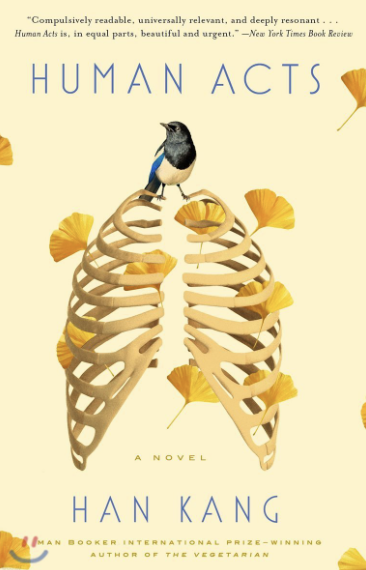
Set against the backdrop of the Gwangju Uprising in 1980, Human Acts portrays the lives of those affected by the brutal suppression of the pro-democracy movement in South Korea. The novel addresses the collective trauma of a nation, as well as the individual suffering experienced by those caught up in historical violence. Han Kang’s vivid storytelling provides a voice to the silenced and forgotten, allowing readers to empathize with the emotional and psychological scars left by history. This novel is an important reflection on memory and healing, resonating with readers worldwide.
3. Greek Lessons (2011) and The White Book (2016)
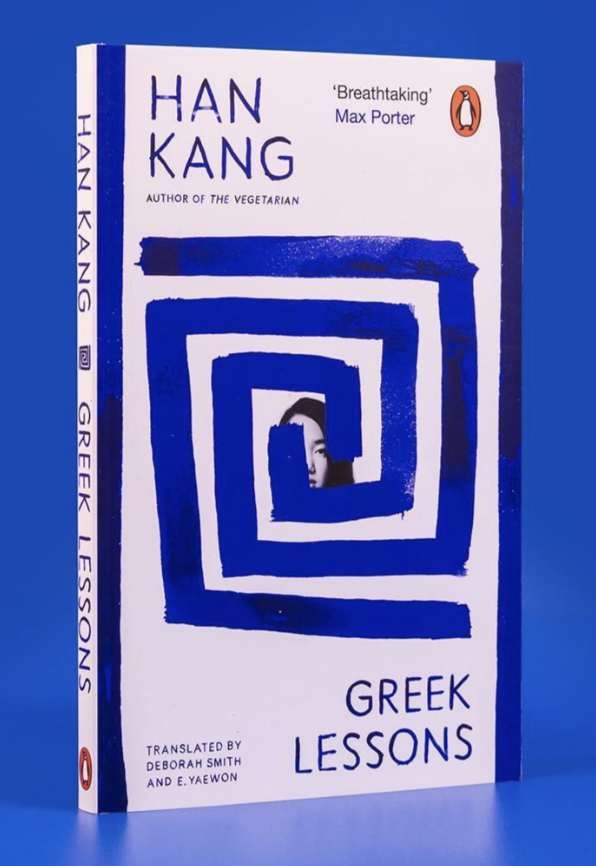
In addition to her more famous works, other significant contributions like Greek Lessons and The White Book showcase Han Kang’s philosophical depth and experimental prose style. In these works, she blends narrative and essay to explore language, silence, and mortality, offering reflections on existence itself. These books contribute to a fuller understanding of her literary voice that blends lyricism and realism in ways that have captivated audiences far beyond South Korea.
Han Kang’s Nobel Prize-winning legacy is more than just a recognition of individual literary achievements; it is a testament to the cultural and historical resonance of contemporary Korean literature.